Home for the Holidays? Why Now Is the Best Time to Think About Respite Care

Written By: Village Shalom
December 10, 2025

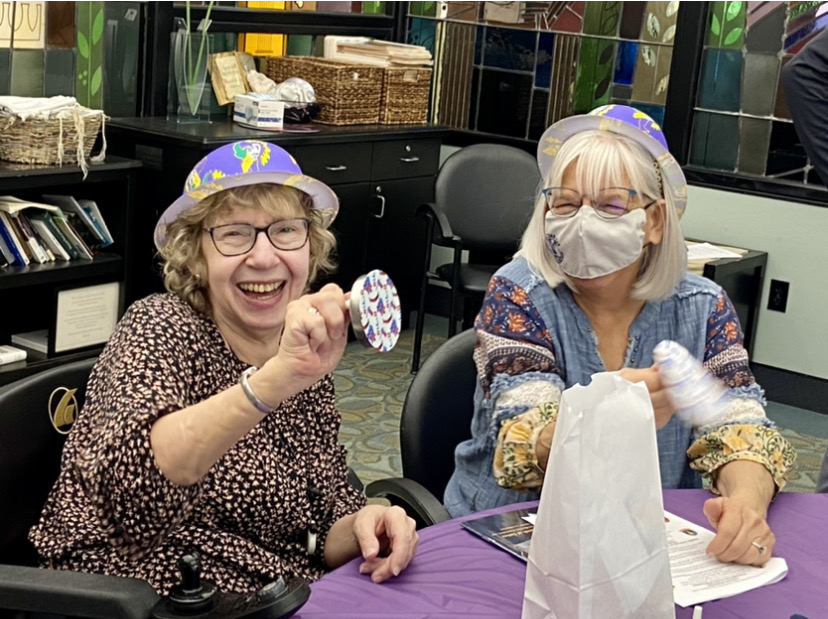
Five residents sitting around a patio table that is topped with Hors d'oeuvres

5 Signs Your Aging Parents May Need Extra Support

Heading home for the holidays? This time of year is often when adult children notice changes in their aging parents that aren’t apparent during quick visits, phone calls, or FaceTime. If you’re spending extended time together and find yourself wondering whether Mom or Dad may need added support, you’re not alone.

Here are five helpful signs—as simple steps you can take if you notice them—that your aging parents may need respite care:

    1. Mail, Bills, or Daily Tasks Are Piling Up

    Unopened mail on the counter, late payments, confusion about appointments, or household tasks left undone may signal cognitive changes, stress, or that everyday responsibilities have become too much.

    Try This: Help sort mail, set up autopay, simplify paperwork, or create a shared calendar.

    When Extra Support Helps: If these patterns persist, outside support—or even a short-term, supportive stay—can help your loved one regain routine and structure while your family explores what’s needed.

    2. Increased Falls or Mobility Concerns

    A slower gait, holding onto furniture, struggling to rise from a chair, or recent falls can indicate increasing weakness or balance issues.

    Try This: Remove tripping hazards, add night lights, and install grab bars in key areas.

    When Extra Support Helps: A temporarily supported environment provides professional oversight and 24/7 assistance to keep your loved one safe.

    3. Changes in the Kitchen

    Expired food, empty refrigerators, or signs that meals aren’t being prepared consistently may result from forgetfulness, low appetite, or difficulty managing grocery shopping and cooking.

    Try This: Cook or shop together, prep meals in advance, or consider meal delivery services.

    When Extra Support Helps: In a supportive setting, older adults benefit from regular, nutritious meals, which help them rediscover energy and routine.

    4. Memory Lapses or Shifts in Daily Routine

    Misplacing important items, changes in grooming, withdrawing from social activities, or getting confused while driving or navigating familiar places can be early signs of cognitive decline or depression.

    Try This: Open gentle conversations, encourage a check-in with their healthcare provider, and ask about what feels harder lately.

    When Extra Support Helps: Structured days and meaningful activities—like those offered in Memory Support or Assisted Living—can provide clarity for families exploring long-term options.

    5. Concerns About Driving

    During holiday outings, especially at night or in heavy traffic, observe reaction time, confidence, and comfort. Anxiety or hesitation behind the wheel can be significant safety indicators.

    Try This: Explore ride-share options, volunteer driver programs, or coordinate transportation within the family.

    When Extra Support Helps: In a supportive community setting, transportation needs are minimized, allowing residents to enjoy meals, programs, and activities without relying on driving.


    Start the Conversation With Compassion

    If you’re noticing changes, approach your parents with empathy. Helpful starter questions include:

    • “How are things going day to day?”
    • “What feels different or more challenging lately?”
    • “How can I support you right now?”

    Listen without judgment and focus on safety, comfort, and independence.


    Why Families Explore Respite or Supportive Care During the Holidays

    For many families, the holidays create a natural moment to step back and notice what aging parents may truly need. While every situation is unique, short-term respite care can be a gentle, low-pressure way to introduce care outside of the home as it allows older adults an opportunity to experience support, community, and structure without a long-term commitment.

    A respite stay allows your loved one to benefit from daily routines, prepared meals, and meaningful engagement, while giving families clarity about what kind of care may be most helpful moving forward.

    A short-term stay can offer:

    • 24/7 professional support
    • Medication management
    • Nutritious daily meals
    • Social engagement and meaningful activities
    • A safe, home-like environment
    • Peace of mind while you observe what feels right for your loved one

    Village Shalom Is Here to Help

    If this holiday season raises questions about what comes next for your loved one, you don’t have to navigate those decisions alone. Whether you’re considering a short respite stay, exploring Assisted Living, Skilled Nursing, or Memory Support, or simply trying to understand what level of support might be most appropriate, our professional and licensed staff are available to visit with you and help begin the conversation.

    We’ll walk alongside you, answer your questions, help assess needs, and guide you toward the next step that feels right for your family.

    If you’d like to talk through options or schedule a conversation with our team, contact us today. We’re here to help you and your loved one every step of the way.

    Justine Ogden
    jogden@villageshalom.org
    913-266-8209

    Lori Carter
    lcarter@villageshalom.org
    913-266-8300